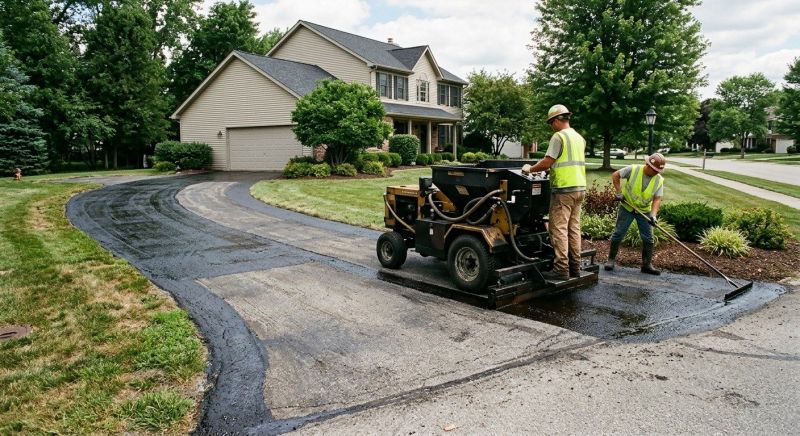
Driveway Slurry Sealing in Denver, CO
Driveway slurry sealing is a protective coating process that involves applying a mixture of fine aggregate, cement, and water over an existing driveway surface. This service is commonly used to enhance the durability and appearance of asphalt and concrete driveways, helping to prevent cracking, surface deterioration, and the effects of weathering. Homeowners often request slurry sealing for driveways that show signs of wear or to maintain the condition of newly paved surfaces, ensuring a longer lifespan and improved curb appeal.
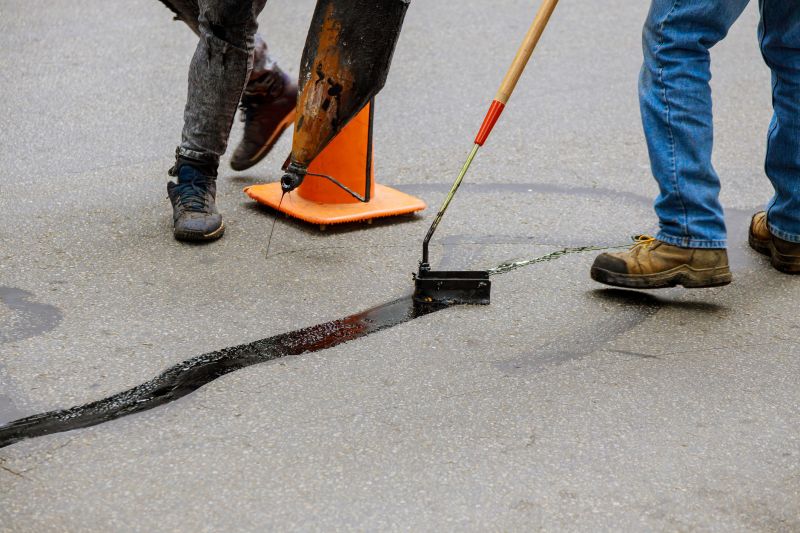
Before requesting driveway slurry sealing, property owners typically want to understand the current condition of their driveway, including any existing cracks or damage that may need repair beforehand. It’s also important to consider the type of driveway surface-such as asphalt or concrete-as well as the desired finish and color. Proper surface preparation, including cleaning and repairs, is essential for the best results, and understanding these steps can help homeowners plan for a successful sealing project.
Many property owners in Denver, CO look into Driveway Slurry Sealing for repairs, replacements, upgrades, and appearance-related improvements.
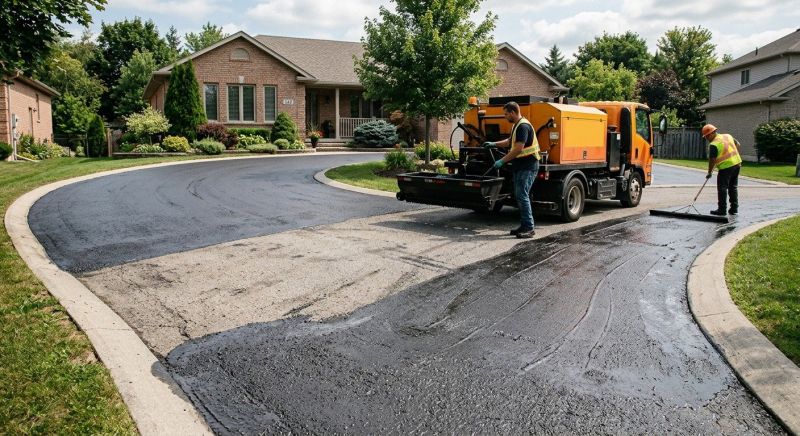
Driveway Slurry Sealing Services
Examples of driveway slurry sealing work property owners may explore in denver, co.
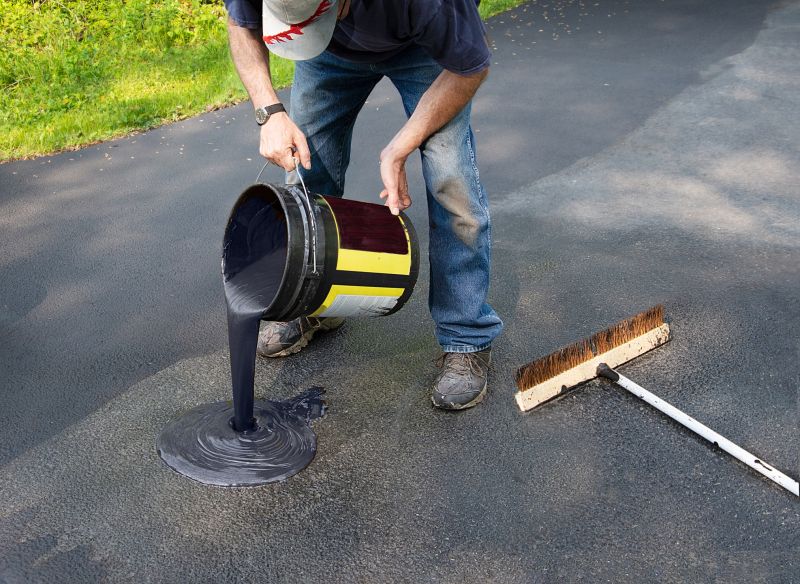
Driveway Slurry Sealing Updates
Common ways people refresh, improve, or restore driveway slurry sealing features in denver, co.
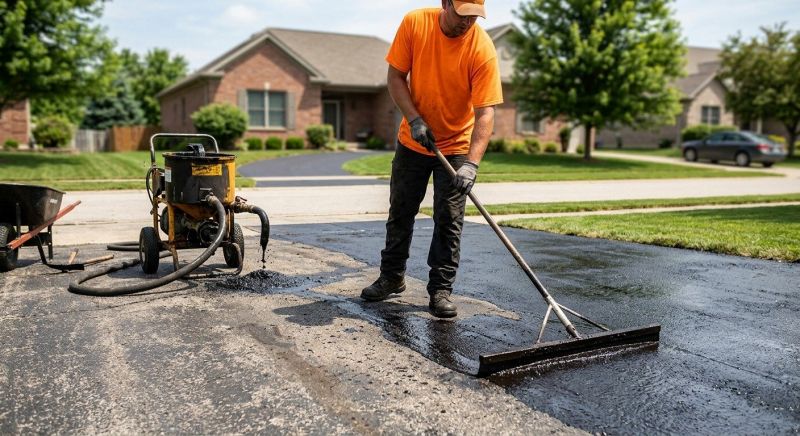
Driveway Slurry Sealing Options
Different styles, layouts, and finishes people consider for driveway slurry sealing in denver, co.
Driveway Slurry Sealing in Denver, CO
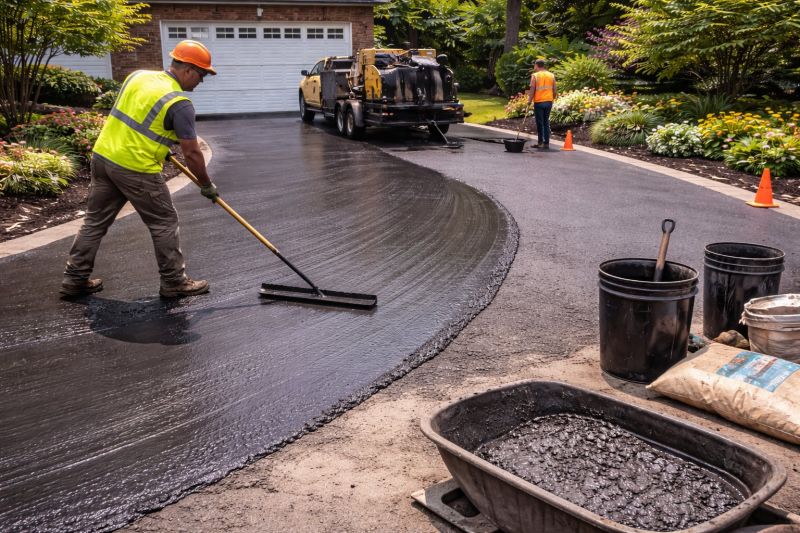
Driveway slurry sealing is a protective coating process that involves applying a mixture of fine aggregate, cement, and water over an existing driveway surface. This service is commonly used to enhance the durability and appearance of asphalt and concrete driveways, helping to prevent cracking, surface deterioration, and the effects of weathering. Homeowners often request slurry sealing for driveways that show signs of wear or to maintain the condition of newly paved surfaces, ensuring a longer lifespan and improved curb appeal.
Before requesting driveway slurry sealing, property owners typically want to understand the current condition of their driveway, including any existing cracks or damage that may need repair beforehand. It’s also important to consider the type of driveway surface-such as asphalt or concrete-as well as the desired finish and color. Proper surface preparation, including cleaning and repairs, is essential for the best results, and understanding these steps can help homeowners plan for a successful sealing project.
Many property owners in Denver, CO look into Driveway Slurry Sealing for repairs, replacements, upgrades, and appearance-related improvements.
Common Driveway Slurry Sealing Jobs
Driveway Slurry Sealing - protects asphalt surfaces from weather damage and wear.
Residential driveways - enhances curb appeal while extending pavement lifespan.
Commercial parking lots - provides a durable, uniform surface for customer safety.
Driveway resurfacing projects - helps restore and refresh aged or faded asphalt.
Preventative maintenance - reduces the need for costly repairs over time.
Surface sealing for asphalt - improves resistance to oil, water, and UV damage.
Driveway Slurry Sealing Questions
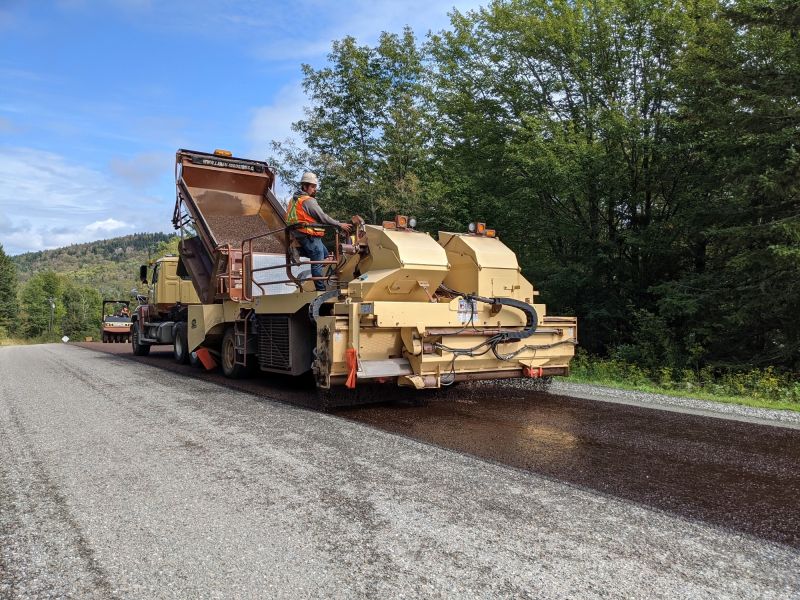
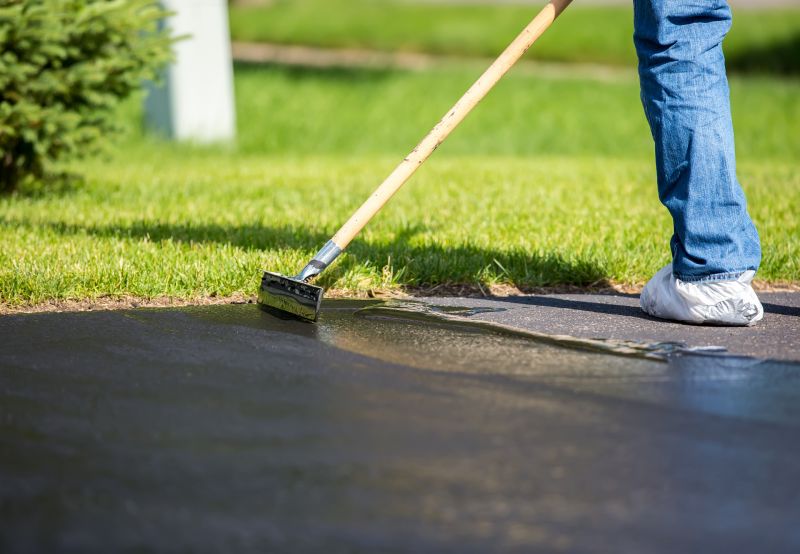
What is driveway slurry sealing? It is a process that applies a protective coating to asphalt driveways to enhance durability and appearance.
When should driveway slurry sealing be done? It is typically performed after the driveway has been installed and has aged enough to benefit from surface protection.
What types of driveway surfaces are suitable for slurry sealing? Asphalt driveways are the primary surface type that benefits from slurry sealing treatments.
How does slurry sealing improve a driveway? It helps prevent cracks, reduces surface wear, and gives the driveway a uniform, refreshed look.
Request Driveway Slurry Sealing in Denver, CO
Use the quote form on this page to share the basics of your project and request more information for the type of work you need.